
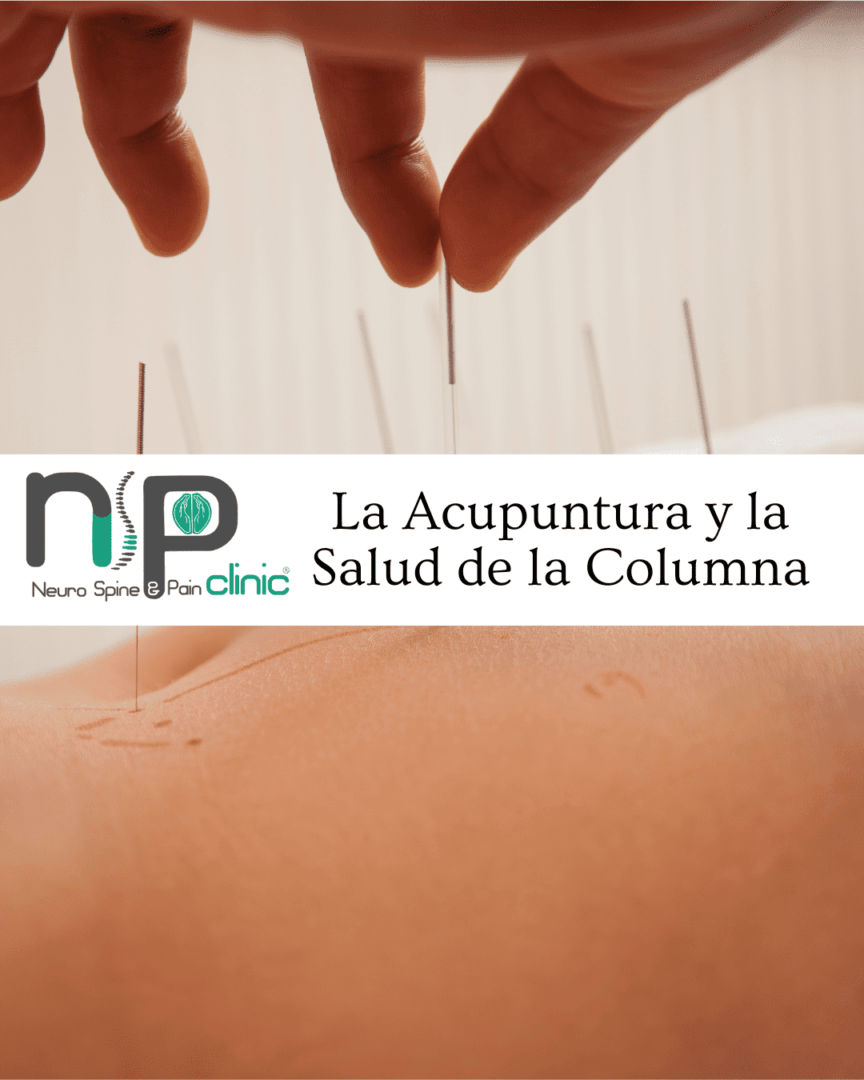
La acupuntura, una práctica milenaria de la Medicina Tradicional China (MTC), se ha utilizado durante mas de dos milenios para tratar diversas condiciones físicas y emocionales. En el caso de la columna vertebral, la acupuntura destaca como una herramienta que puede ayudar a aliviar el dolor musculoesquelético, mejorar la movilidad y regular funciones internas relacionadas con los órganos y las emociones.
Aunque generalmente la columna se percibe como una estructura de soporte físico, en la MTC tiene un significado más profundo, conectando el sistema nervioso central, las emociones y la energía vital (Qi) que fluye a través del cuerpo.
La Columna: Más que un Pilar de Soporte
En la MTC, la columna vertebral se considera un eje crucial que influye tanto en el bienestar físico como en el emocional. Entre otros ejemplos, a ambos lados de la columna, a lo largo del meridiano de la Vejiga, se encuentran los puntos Shu, que están directamente relacionados con los órganos internos y sus funciones.
Estos puntos, ubicados aproximadamente a 1,5 cun (medida tradicional china) lateral a la línea media de la columna, al ser estimulados, desempeñan un papel dual:
– Alivian dolencias físicas como tensiones musculares y dolor crónico.
– Regulan las funciones de los órganos internos, promoviendo la salud emocional y fisiológica.
Existen 12 puntos Shu a lo largo de los lados de la columna, cada uno relacionado con órganos especificos. A continuación 3 ejemplos de estos puntos y algunas de sus funciones :
– Xin Shu (BL-15), Este punto ayuda a estabilizar emociones como la ansiedad y regula el ritmo cardíaco. Además, al ser estimulado, alivia dolores musculares en la parte superior de la espalda, especialmente en la región interescapular.
– Gan Shu (BL-18), punto del hígado, situado a nivel de la novena vértebra torácica (T9), Es útil para tratar tensiones físicas asociadas al estrés y emociones como la ira. También contribuye a liberar la rigidez en la región lumbar y torácica, mejorando la flexibilidad y reduciendo la rigidez articular
– Fei Shu (BL-13), punto de los pulmones, localizado a nivel de la tercera vértebra torácica (T3). Mejora la respiración, fortalece los pulmones y ayuda a procesar emociones como la tristeza. En el aspecto musculoesquelético, se utiliza para aliviar tensiones en los músculos intercostales y mejorar la expansión torácica.
Estos puntos Shu son un ejemplo claro de cómo la acupuntura puede abordar tanto los aspectos físicos como los emocionales, energéticos y funcionales del bienestar, proporcionando un enfoque integral para la salud de la columna, de los órganos internos y del cuerpo en su conjunto.
Beneficios de la Acupuntura en el Cuidado de la Columna
La acupuntura es una herramienta efectiva no solo para tratar sino también para acompañar otros tratamientos orientados a la salud de la columna. Su impacto no solo se limita al aliviodel dolor, sino que también aborda las causas subyacentes que pueden afectar el bienestar general. Algunos de sus beneficios clave en este proceso incluyen:
1. Regulación del sistema nervioso autónomo
La acupuntura ayuda a activar el sistema parasimpático, lo que promueve un estado de relajación y reduce la respuesta al estrés. Esto es especialmente útil en el manejo del dolor crónico.
2. Mejora de la circulación sanguínea y linfática
Al estimular puntos clave, se mejora el flujo sanguíneo hacia los tejidos afectados, lo que promueve la recuperación de lesiones y reduce la inflamación.
3. Equilibrio emocional y hormonal
La acupuntura modula la producción de neurotransmisores como la serotonina y la dopamina, lo que contribuye a aliviar la ansiedad, la depresión y el estrés emocional que pueden agravar el dolor físico.
¿Por Qué Elegir la Acupuntura?
La acupuntura es una herramienta versátil que no solo trata el dolor crónico o problemas relacionados con la columna, sino que también es una excelente opción para mantener y potenciar el bienestar general. No es necesario esperar a que surja un problema para beneficiarse de esta práctica; su enfoque preventivo fortalece el cuerpo, equilibra las emociones y promueve un estado de salud óptimo.
Sin embargo, si ya ha aparecido un dolor o malestar, la acupuntura es igualmente un método efectivo de sanación. Gracias a su capacidad para activar los procesos naturales de recuperación del cuerpo y equilibrar los sistemas internos, por lo general sus resultados suelen ser sorprendentes, proporcionando alivio significativo y mejorando la calidad de vida de quienes la reciben.
Ya sea como complemento a otros tratamientos o como parte de una rutina de cuidado integral, la acupuntura ofrece beneficios tangibles tanto para quienes desean prevenir como para quienes buscan sanar.
Si deseas saber más sobre cómo la acupuntura puede ayudarte, no dudes en contactarnos. Esta práctica milenaria puede marcar la diferencia entre estar bien y sentirte en tu mejor versión.






 English
  Español de México